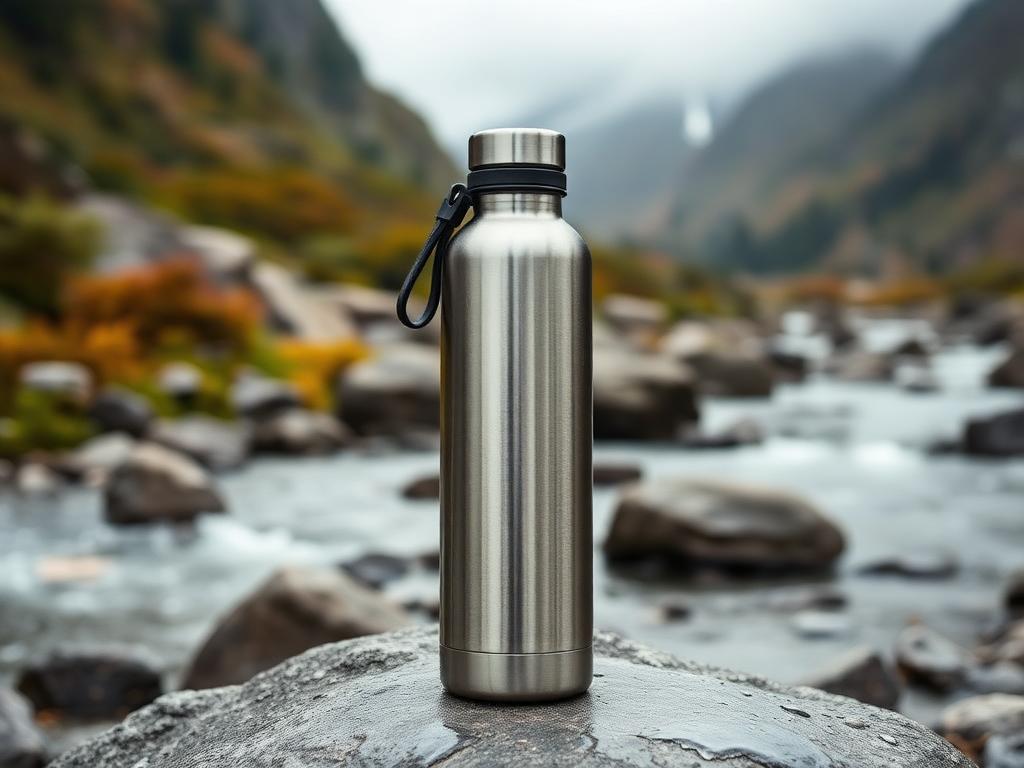
Gear Tested in This Review
Key Highlights
- 12+ hours cold in field conditions
- Wide-mouth for easy cleaning
- Lifetime warranty
Product Specifications
Manufacturers claim 24 hours of cold retention, but real trail conditions tell a different story. Here is what happened during my Utah desert tests.
The Marketing vs Reality Gap
Insulated water bottles are tested in controlled laboratory conditions. Real use conditions are very different. The bottle sits in direct sunlight on top of a pack. Outside temperatures range from 70°F at dawn to 95°F at noon. The bottle gets jostled, opened repeatedly, and refilled with water of varying temperatures throughout the day.
My goal was to measure performance under genuine trail conditions, not optimized lab conditions.
The Setup
I filled the bottle with ice water (32°F) at 6am at a trailhead in southern Utah. The bottle then traveled in the side pocket of my pack for a full day of hiking. I measured the water temperature every two hours using a digital thermometer.
The Results
- 6am: 32°F (starting)
- 8am: 35°F
- 10am: 38°F
- 12pm: 42°F
- 2pm: 47°F
- 4pm: 52°F
- 6pm: 56°F
After 12 hours in genuine trail conditions including direct sun exposure, the water remained noticeably cooler than ambient temperature. It wasn't ice-cold by the end of the day, but it was refreshingly cool – exactly what you want on a long hike.
How This Compares to Other Bottles
I ran the same test with three other bottles:
- Standard plastic bottle: 92°F by noon (matched ambient temperature)
- Cheap insulated bottle ($10): 65°F by noon, 78°F by 6pm
- Premium competitor bottle ($45): 39°F at noon, 48°F at 6pm
- This bottle ($35): 42°F at noon, 56°F at 6pm
The differences in real conditions are substantial. Insulation matters enormously for hot weather hiking.
The Hot Liquid Test
I also tested how long the bottle keeps hot liquids hot. Filled with 200°F coffee at 6am and kept in the same pack pocket:
- 6am: 200°F
- 10am: 170°F
- 2pm: 145°F
- 6pm: 125°F
By dinner time, the coffee was no longer drinking-hot but was still significantly warmer than ambient. For early-morning coffee that you sip throughout the day, this is excellent performance.
Build Quality and Daily Use
After six months of daily use including drops onto concrete, the bottle shows:
- A few cosmetic scratches on the exterior
- Zero dents (despite multiple drops)
- The lid still seals perfectly with no leaks
- The interior shows no staining or odors
- The threads remain smooth
This is build quality that justifies the price point.
The Often-Overlooked Detail: Cleaning
Many insulated bottles have narrow openings that make cleaning difficult. This one has a wide-enough mouth for ice cubes and a bottle brush, but small enough that you can drink from it cleanly. That's harder to achieve than it sounds and is one of the design details that separates good bottles from great ones.
Trail-Specific Features That Matter
The features I actually use daily:
- Loop on the lid for clipping to a pack
- Powder-coat exterior that doesn't slip when wet
- Wide enough mouth for adding electrolyte powder
- Standard lid threads (replacement lids available)
The features I don't use:
- Sport cap accessory (I prefer the regular lid)
- Decorative engravings (purely aesthetic)
Final Take
For day hikers in hot climates, a quality insulated water bottle is one of the most impactful pieces of gear you can carry. The temperature difference between hot ambient water and cool insulated water genuinely affects how much you drink, which in turn affects how you feel for the entire hike. Worth every dollar.
Final Verdict
A serious upgrade for any outdoor enthusiast in hot weather.
Where to Buy
* Prices may vary. We may earn a small commission from qualifying purchases.