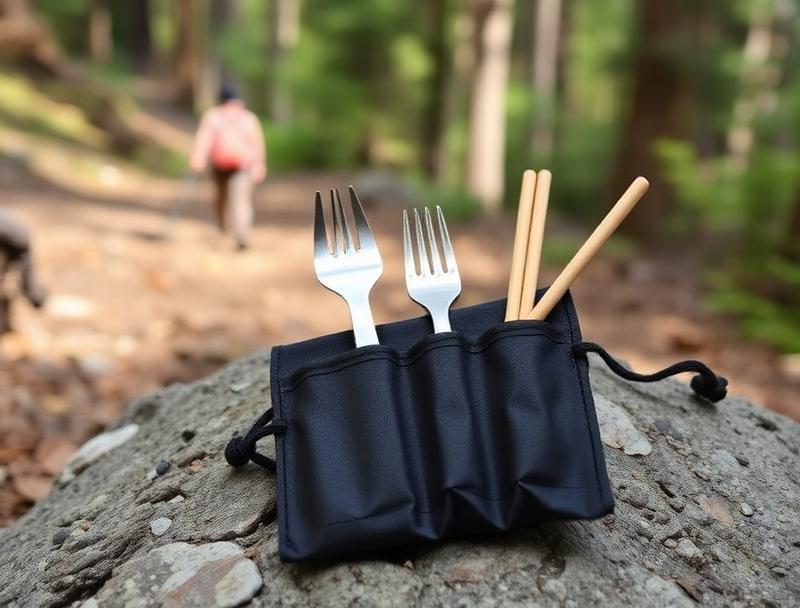
Gear Tested in This Review
Key Highlights
- Lightweight at just 85g
- No weird taste
- Easy to clean in stream water
Product Specifications
After testing these bamboo utensils on five different camping trips, from beach picnics to mountain campsites, I can confidently say they've become my go-to gear.
Why I Switched to Bamboo
I used to pack cheap plastic utensils for every camping trip. They'd break, get lost, and I'd feel guilty about the waste. When I discovered bamboo camping utensils, everything changed.
The 5-Trip Test
Trip 1: Yellowstone National Park First test was a 3-day camping trip. The bamboo fork and spoon held up perfectly for hot oatmeal and cold salads.
Trip 2: Rocky Mountain Weekend High altitude, cold mornings. The bamboo didn't crack or become brittle like some plastics do in cold weather.
Trip 3: Beach Camping in California Salt air and sand – the real test. No rust (obviously), and they cleaned up easily with just water.
Trip 4: Desert Camping in Utah Extreme temperature swings from hot days to cold nights. Still no cracking or warping.
Trip 5: Backyard Test Okay, this was more of a casual BBQ, but the utensils performed beautifully for outdoor dining.
Pros and Cons
Pros: - Incredibly lightweight (85g for the full set) - No metallic taste - Sustainable and biodegradable - Comfortable grip - Easy to clean
Cons: - Need to dry completely to prevent mold - Slightly more expensive than plastic - Can't be used for high-heat cooking
Final Thoughts
These bamboo utensils have earned a permanent spot in my camping kit. The eco-friendly aspect combined with their durability makes them a no-brainer for casual campers who care about the environment.
Comparing to Other Materials I've Used
Before bamboo, I cycled through plastic, stainless steel, and titanium. Plastic was the worst – it warped near hot food and snapped on cold mornings. Stainless steel felt overkill for casual weekend trips and was noticeably heavier in the pack. Titanium worked beautifully but cost three times as much, and the bare metal still felt cold against my lips at breakfast.
Bamboo sits in a sweet spot. The handles warm naturally in your hand, the weight disappears in a daypack, and the matte finish hides the small scratches that camping inevitably produces.
Care Routine That Actually Lasts
The biggest mistake new bamboo users make is letting the utensils stay damp inside a closed pouch. I learned this the hard way after my second trip when I noticed faint dark spots forming near the spoon handle. Here's the routine that keeps the set looking new:
- Rinse immediately after eating, even if it's just with drinking water
- Air-dry for at least an hour before repacking
- Wipe with a thin coat of food-safe mineral oil once a month
That third step takes thirty seconds and has dramatically extended the life of every wooden item I own, from cutting boards to camp utensils.
Who Should Skip Bamboo
Honest reviews require honest warnings. If you camp primarily in wet, humid environments – think Pacific Northwest rainforests or summer trips in the Southeast – bamboo will require more maintenance than you might want. In those conditions, stainless steel or anodized aluminum may be the smarter pick.
Also, if you're cooking directly over flame using your utensil as a stirrer in a hot pan, bamboo is not the right tool. Pick up a long stainless cooking spoon for stove work and reserve bamboo for eating.
Final Recommendation
For casual weekend campers who eat at the picnic table or in front of the tent, bamboo utensils deliver everything I want: low weight, low impact, low price, and high charm. After five trips and dozens of meals, mine still look beautiful, still perform flawlessly, and still make me feel a little better about my outdoor footprint.
Final Verdict
Perfect for casual weekend campers who care about the environment.
Where to Buy
* Prices may vary. We may earn a small commission from qualifying purchases.