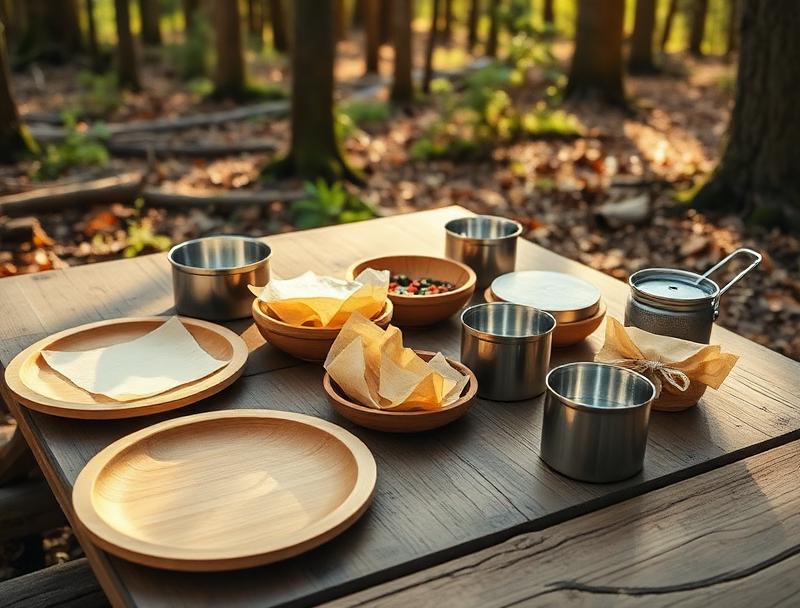
Gear Tested in This Review
Key Highlights
- Zero plastic for 12 months
- Saved $200 on disposables
- Gear still looks new
Product Specifications
I switched to a completely plastic-free camping kitchen a year ago. Here's what worked, what didn't, and what I'd recommend to beginners.
The Challenge
Going plastic-free while camping seemed daunting. How would I store food? What about leftovers? Could I really manage without zip-lock bags?
What I Replaced
**Plastic Containers → Stainless Steel & Glass** Heavy? Yes. Worth it? Absolutely. Glass containers with bamboo lids became my staple for meal prep.
**Zip-Lock Bags → Beeswax Wraps** Beeswax wraps took some getting used to, but now I can't imagine going back. They're reusable for months.
**Plastic Utensils → Bamboo Set** Complete bamboo dining set including plates, bowls, and utensils. The whole set weighs less than traditional camping plates.
The Unexpected Benefits
1. **Saved Money**: After the initial investment, I stopped buying disposables. Saved approximately $200 in the first year. 2. **Better Taste**: Food doesn't absorb plastic flavors. Everything tastes cleaner. 3. **Less Pack-Out**: No trash to carry out of the campsite.
What Didn't Work
- Silicone storage bags leaked after 6 months (cheap brand – lesson learned)
- Bamboo cutting board warped from moisture
- Paper straws are useless (switched to stainless steel)
My Recommendations for Beginners
Start small. Replace one item at a time. Don't try to overhaul everything at once – it's overwhelming and expensive. Begin with utensils, then plates, then storage containers.
The First Three Months Were Hardest
I want to be honest – the transition was not seamless. I forgot beeswax wraps at home twice and ended up improvising with bandanas. I cracked a glass container on a rocky campsite. I underestimated how much heavier a fully eco-friendly kitchen is when you're carrying everything from the car to a remote tent site.
But by month four, the routines became automatic. The kit lived together in a single canvas tote. The wraps got their own little zippered pouch. The bamboo plates went into a felt sleeve to prevent scuffing.
The Hidden Win: Better Camping Meals
An unexpected benefit of switching to nicer materials is that you start cooking nicer food. When you're eating off a beautiful bamboo plate with a real stainless fork, instant noodles feel a bit out of place. We started prepping real meals at home – grain bowls, marinated veggies, fresh fruit – because the gear made it feel worth the effort.
What I'd Buy Differently in Hindsight
Not every swap was a win. Looking back at the year:
- The bamboo cutting board was a mistake. Plastic or thin silicone is better outdoors.
- The first set of beeswax wraps I bought were cheap and stopped sealing after three months. Spend a few dollars more for a brand that uses jojoba and pine resin in addition to wax.
- I bought too many sizes of containers. Three sizes is plenty; six gets confusing fast.
Cost Reality Check
People assume an eco kitchen costs more. Year one, yes – I spent roughly $260 building the kit. Year two, my replacement spending dropped to under $40. Compared to friends still buying disposables and cheap plastics, I'm already coming out ahead and the gap widens each season.
The Bigger Picture
The personal benefit of cleaner food, lighter trash bags, and a more attractive camp kitchen would be enough on its own. The environmental benefit is a bonus that compounds quietly over years. If everyone reading this swapped just one disposable item this season, we'd skip an enormous quantity of single-use plastic waste headed for landfills and waterways. Small choices, made together, actually matter.
Final Verdict
The initial investment pays off quickly. Highly recommend for eco-conscious campers.
Where to Buy
* Prices may vary. We may earn a small commission from qualifying purchases.