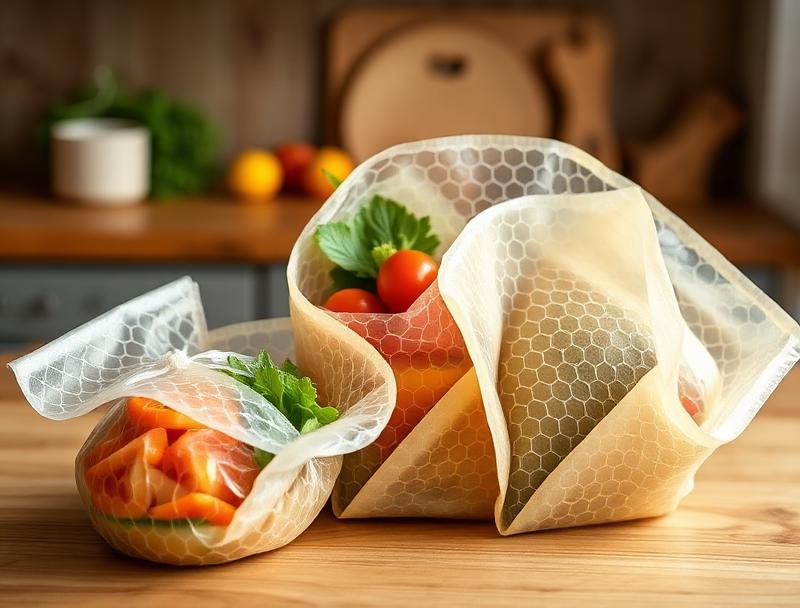
Gear Tested in This Review
Key Highlights
- 18+ months lifespan
- Natural antimicrobial
- GOTS certified cotton
Product Specifications
Plastic wrap is convenient but terrible for the environment. Beeswax wraps offer a genuinely practical alternative.
Learning Curve
The first week required adjustment. The wraps use body heat to mold and seal - a different technique than plastic wrap.
What Works Best
Perfect for wrapping sandwiches, covering bowls, wrapping cheese and bread. The natural antimicrobial properties keep food fresher.
What Doesn't Work
Not suitable for raw meat or hot foods. Also can't be used in the microwave. Know these limitations upfront.
Longevity
With proper care (cool water wash, air dry, occasional refreshing), a set lasts 12-18 months of regular use.
What Beeswax Wraps Actually Are
Beeswax wraps are squares of organic cotton infused with beeswax, jojoba oil, and tree resin. The wax provides flexibility and water resistance. The jojoba oil keeps the wax soft enough to mold to shapes. The resin adds tackiness for sealing. Combined, they create a flexible, slightly sticky material that can wrap food, cover bowls, and seal cheese for storage.
The concept is ancient. Wax-coated fabric has been used to wrap food for centuries. Modern versions simply refine the materials for food safety and longevity.
The First-Week Learning Curve
I want to set realistic expectations: beeswax wraps require adjustment. Plastic wrap works through sheer stickiness. Beeswax wraps work through warmth – your hands warm the wax, which then molds and seals to the food or container. This takes practice.
First-week common mistakes:
- Trying to use them on cold surfaces (the wax doesn't activate well)
- Wrapping too loosely (heat the edges with your palms longer)
- Using them on raw meat (they're not designed for that and can transfer pathogens)
- Washing in hot water (the wax melts)
By week two, the technique becomes intuitive.
What They Replace and What They Don't
Replace:
- Plastic wrap for sandwiches
- Plastic wrap for covering bowls
- Plastic wrap for wrapping cheese
- Sandwich bags for cut fruit
- Storage covers for half-used produce
Don't replace:
- Containers for liquids (the seal isn't strong enough)
- Plastic wrap for raw meat (food safety concern)
- Bags for hot foods (heat melts the wax)
- Microwave-safe containers (never microwave wraps)
Used within their proper scope, they handle a substantial portion of daily plastic wrap use.
Care Routine That Maximizes Life
Daily care: rinse with cold water and mild soap, air dry on a dish rack.
Monthly care: inspect for cracking edges or worn spots. Refresh by ironing between parchment paper on the lowest heat setting (this redistributes the wax).
Annual care: replace any wraps showing significant wax loss or fabric thinning.
With this routine, a typical wrap lasts 12-18 months of regular use.
Sustainability Math
Each wrap replaces roughly 500-800 uses of plastic wrap over its lifespan. For a three-wrap set, that's 1500-2400 plastic wrap uses prevented. Multiplied across an entire household over years, the cumulative reduction in plastic waste is meaningful.
The wraps themselves are fully compostable at end of life – just cut into small pieces and add to your compost.
Honest Performance Limits
Wraps don't seal as tightly as plastic wrap. Foods stored in wraps will lose moisture faster than the same foods in airtight containers. For short-term storage (a day or two), this is irrelevant. For week-long storage, containers remain a better choice.
Outdoor Use Notes
For camping and picnics, wraps are especially useful for:
- Wrapping sandwiches that travel in a backpack
- Sealing half-eaten cheese for later
- Covering bowls of leftover salad
- Wrapping cut fruit to share
The breathable, non-plastic nature feels appropriate for the outdoor context.
Final Take
Beeswax wraps are not a perfect plastic wrap replacement. They are a thoughtful, sustainable alternative for the specific food-wrapping needs they handle well. For households serious about reducing single-use plastic, they are one of the most worthwhile investments available.
Final Verdict
Once you adapt, you'll never go back to plastic wrap.
Where to Buy
* Prices may vary. We may earn a small commission from qualifying purchases.