Gear Tested in This Review
Key Highlights
- Traditional handwoven willow
- Wine bottle slots
- Generations-long lifespan
Product Specifications
A traditional wicker picnic basket feels like a relic of another era. After a full season using one for actual picnics, here is whether it earns its place against modern alternatives.
The Romance Factor
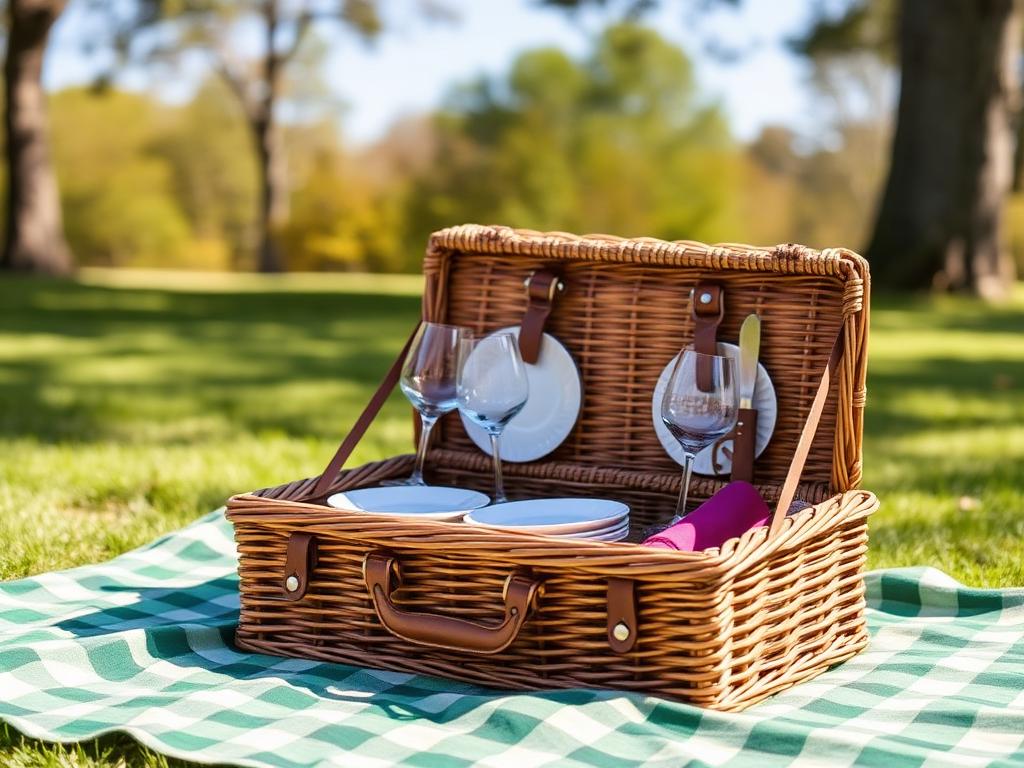
Let's address it directly: wicker picnic baskets are charming in a way that no insulated tote or backpack cooler can match. There is something about lifting the wicker lid, taking out a glass wine carafe, and arranging cheese on a wooden board that elevates the entire experience. If aesthetics matter to you, no modern equivalent provides the same atmosphere.
This isn't trivial. The experience of eating outdoors is partly about beauty. A basket that contributes to the visual richness of the meal isn't just a container – it's part of the meal itself.
The Practical Reality
Charm aside, traditional wicker baskets have real practical limitations:
- They are heavier than modern coolers
- They provide minimal insulation
- They take up significant car space
- They cannot get wet without damage
- They cannot be easily cleaned if food spills inside
These constraints aren't dealbreakers. They simply mean wicker baskets work best for specific picnic styles: short trips to nearby parks, gatherings with established meal plans, and weather-stable outings where rain isn't a concern.
What Actually Fits Inside
A medium-sized traditional basket comfortably holds:
- 2 wine bottles in upright slots
- 4 ceramic or melamine plates
- 4 wine glasses (in dedicated holders if your basket has them)
- A small cutting board
- A wedge of cheese, baguette, fruit, and small charcuterie
- Cloth napkins and silverware
That's a complete light meal for four people. For larger gatherings, supplement with a soft cooler for drinks and a second carry bag for additional food.
The Insulation Workaround
Since wicker doesn't insulate, use small insulated pouches inside the basket for items that need temperature control. A flexible ice pack at the bottom of the basket can also help. The combined system gives you the look of traditional wicker with practical cold retention for cheese, butter, and beverages.
Quality Differences Among Wicker Baskets
I've handled a dozen wicker baskets at various price points. The quality differences are real:
- Cheap baskets ($20-30) use thin reed that cracks within a season
- Mid-range baskets ($40-70) use thicker willow and last several years with care
- Premium baskets ($100+) use hand-woven, sealed willow that can last decades
Spend at the mid-range or above. Cheap wicker is genuinely false economy.
Care That Extends Life
Wicker is organic and reacts to moisture. To maintain a basket:
- Wipe down with a slightly damp cloth, never soak
- Allow to fully dry before storage
- Store in a dry place away from extreme temperature swings
- Apply a thin coat of mineral oil annually to prevent drying
With this care, my mid-range basket has remained beautiful through two full picnic seasons.
Honest Use Frequency
I picnic perhaps 8 to 10 times per year. The basket goes on maybe half of those trips – primarily the ones where I want a slower, more deliberate experience. For quick park lunches with kids, a soft cooler is more practical.
That part-time use is actually appropriate. Not every picnic needs to be a curated experience. The basket waits patiently for the picnics that do.
Final Take
A wicker picnic basket is a deliberate aesthetic choice, not the most practical container available. If you value the experience and ritual of a beautiful outdoor meal, it's worth every dollar. If you prioritize maximum function and easy cleanup, modern alternatives serve you better. Both perspectives are valid.
Final Verdict
Charming, practical for specific picnics, worth the investment.
Where to Buy
* Prices may vary. We may earn a small commission from qualifying purchases.