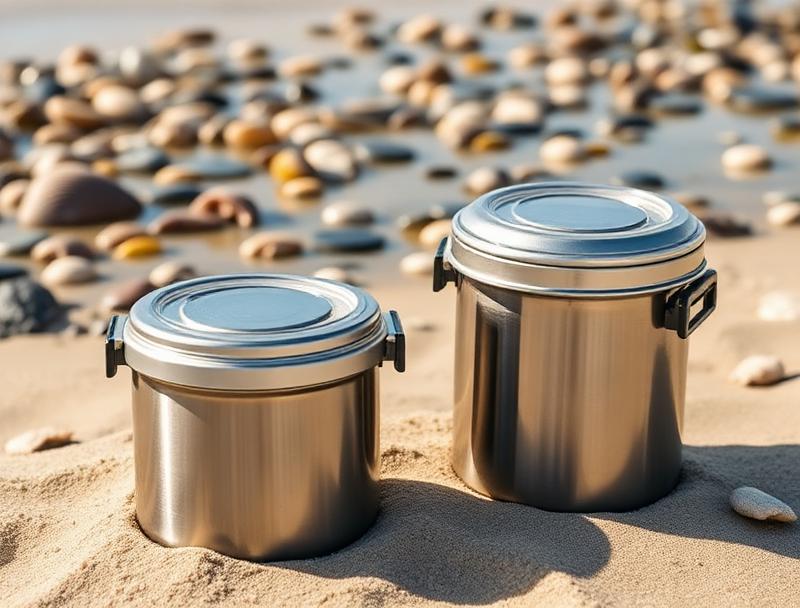
Gear Tested in This Review
Key Highlights
- Tight-seal lids
- Heavy base prevents tipping
- Easy rinse clean-up
Product Specifications
Living near the coast, I've tried dozens of containers and plates for beach picnics. Most fail the sand test. Here are the ones that actually work.
The Sand Problem
If you've ever had a beach picnic, you know the struggle. One gust of wind and your sandwich becomes a crunchy, sandy disaster. After years of trial and error, I've found the solutions.
What Works
**Sealed Containers with Gaskets** The game-changer was switching to containers with silicone gaskets. These create an airtight seal that sand simply cannot penetrate.
**Raised-Edge Plates** Flat plates are a mistake at the beach. Look for plates with 1-inch raised edges – they keep sand out and prevent food from sliding off in the wind.
**Heavy-Base Serving Bowls** Light plastic bowls tip over in beach breezes. Stainless steel bowls with weighted bases stay put.
My Go-To Beach Kit
1. Sand-proof containers (3 sizes for different foods) 2. Stainless steel plates with raised edges 3. Weighted napkin holder (essential!) 4. Insulated bag that zips completely closed 5. Mesh bag for dirty dishes (keeps sand contained)
Cleaning Tips
Always rinse gear before packing up. Sand scratches stainless steel over time. A quick freshwater rinse extends the life of your beach picnic gear significantly.
The Wind Factor No One Talks About
Sand alone is annoying. Sand carried sideways at 15 knots is catastrophic. After several beach picnics ruined by sudden ocean breezes, I started paying attention to wind resistance, not just sand sealing. Containers that latch on all four sides outperform those with only a press-on lid, even if both claim to be sand-proof. Plates with high vertical walls beat shallow plates every time once wind picks up.
My Field Test on Three Different Beaches
I took the same kit to three very different coastlines: a fine-grain beach in Florida, a rocky shore in Maine, and a windy stretch of the Oregon coast. Florida sand is so fine it behaves like flour – it finds the smallest gap. Maine pebbles were less invasive but more brutal on dropped gear. Oregon wind made everything else look easy.
The sealed containers passed every test. The picnic blanket with built-in sand pockets stayed put thanks to weight, but a cheaper blanket I tested in parallel ended up wrapped around a stranger's umbrella by lunchtime.
Cleanup at the End of the Day
Most beach gear gets ruined not by use but by improper cleanup. Salt and sand together act like sandpaper on every surface they touch. My routine now:
1. Rinse everything in a bucket of fresh water before leaving the beach 2. Dry containers upside down at home with lids off 3. Wipe stainless surfaces with a soft cloth and a drop of mineral oil monthly
This adds maybe ten minutes total and triples the lifespan of every piece.
Honest Cost Breakdown
A full sand-proof kit runs about $130 if you buy quality. Compared to replacing cheaper gear every season ($40-60 each spring), the better kit pays for itself within two summers and stays better looking the whole time.
Final Thoughts for Beach Newcomers
Don't try to assemble the perfect kit before your first beach picnic. Start with one good sealed container and a weighted blanket. Add pieces as you learn what bothers you most about your particular local beach. The right gear is the gear that solves problems you actually have.
Final Verdict
Essential gear for any serious beach picnic enthusiast.
Where to Buy
* Prices may vary. We may earn a small commission from qualifying purchases.